There are moments in the global calendar when an entire city becomes a stage—and during Milan Design Week, Milan transforms into exactly that. From April 20 to 26, 2026, the city once again becomes the epicenter of design, where fashion houses, architects, and artists come together to explore how we live, create, and experience space.
What makes this week so compelling isn’t just the scale—it’s the way fashion, art, and design blur into one continuous conversation. It’s not about one discipline leading the other; it’s about the collision of ideas, materials, and storytelling.
Here’s what stood out this year.
JIL SANDER x Apartamento: A Study in Quiet Intellect
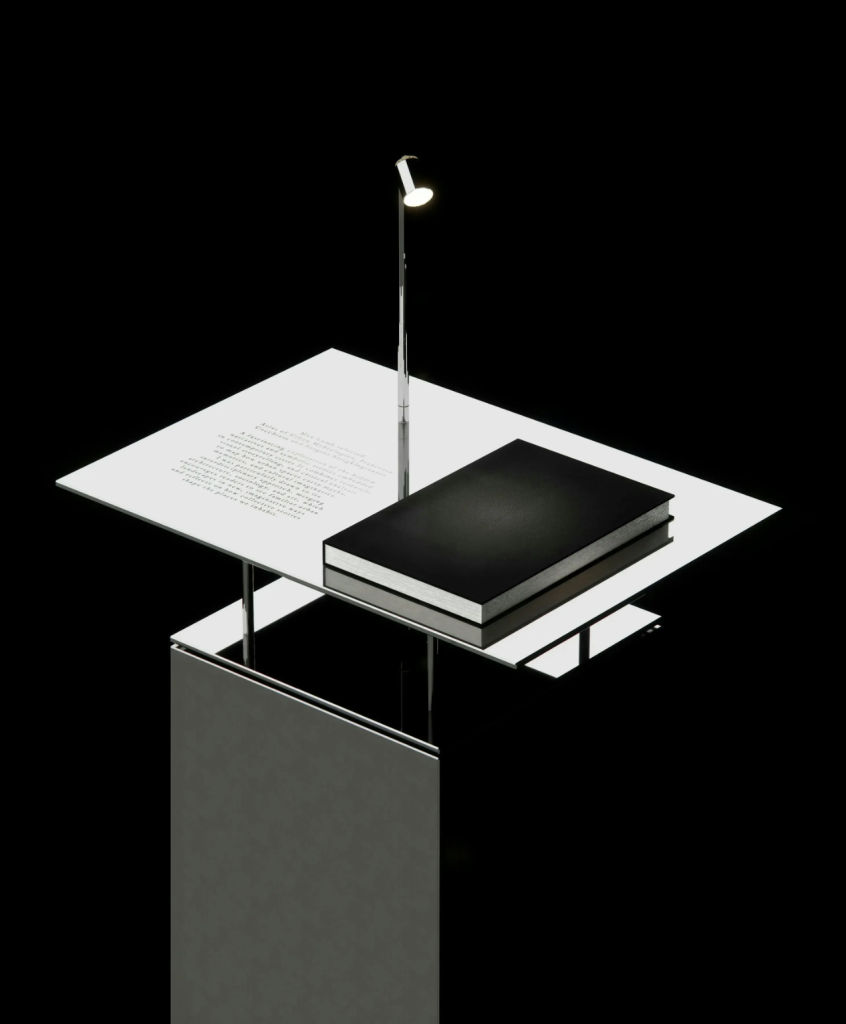
JIL SANDER’s collaboration with Apartamento feels more like a pause than a spectacle—and that’s precisely why it stands out.
“Reference Library” brings together a curated selection of books across disciplines—art, architecture, film, and writing—presented with a sense of reverence. Chrome lecterns, soft lighting, and mirrored reflections create an almost meditative environment, where visitors are invited to slow down, read, and engage.
It’s design at its most intellectual—subtle, thoughtful, and deeply intentional.
MARNI x CUCCHI: Everyday Rituals, Reimagined
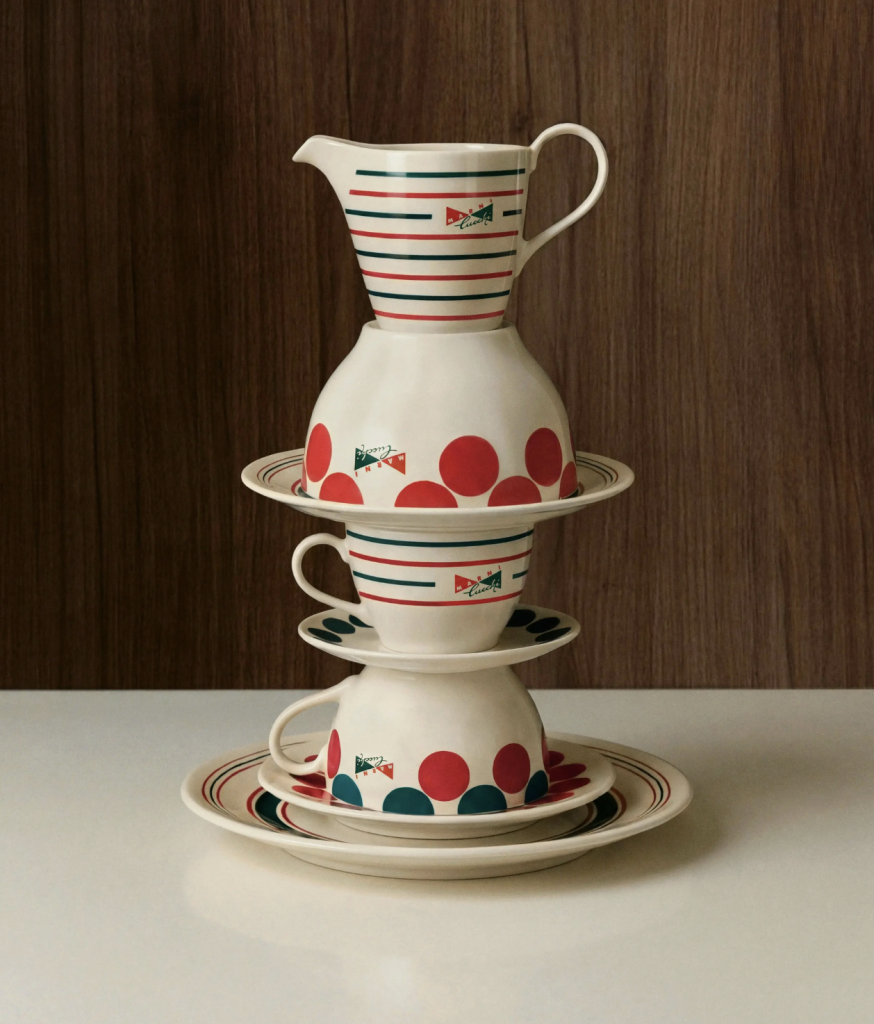
Marni’s collaboration with CUCCHI leans into something more sensory—the rituals of daily life.
From tableware to textiles, the collection explores how design shapes moments we often take for granted: morning coffee, afternoon espresso, evening aperitivo. The experience extends beyond objects, with music and atmosphere playing a role in creating a fully immersive environment.
It feels distinctly Milanese—rooted in tradition, but interpreted through a contemporary lens.
Issey Miyake: Material Innovation as Art
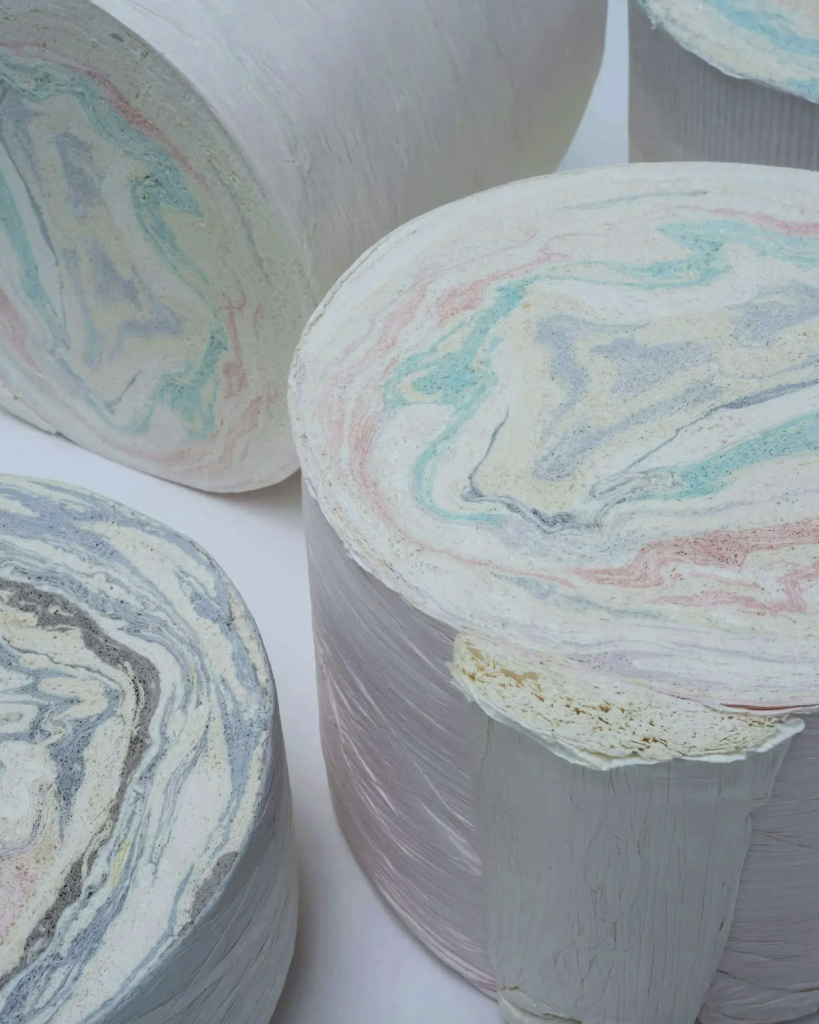
With The Paper Log: Shell and Core, Issey Miyake shifts the focus to process and material.
Using compressed rolls of pleated paper—byproducts of the brand’s own production—the installation transforms discarded elements into sculptural forms. Chairs, tables, and objects emerge from what would otherwise be waste, creating a dialogue between sustainability and design.
It’s a reminder that innovation often begins with rethinking what we already have.
Balenciaga x Eduardo Chillida: Architecture and Emotion
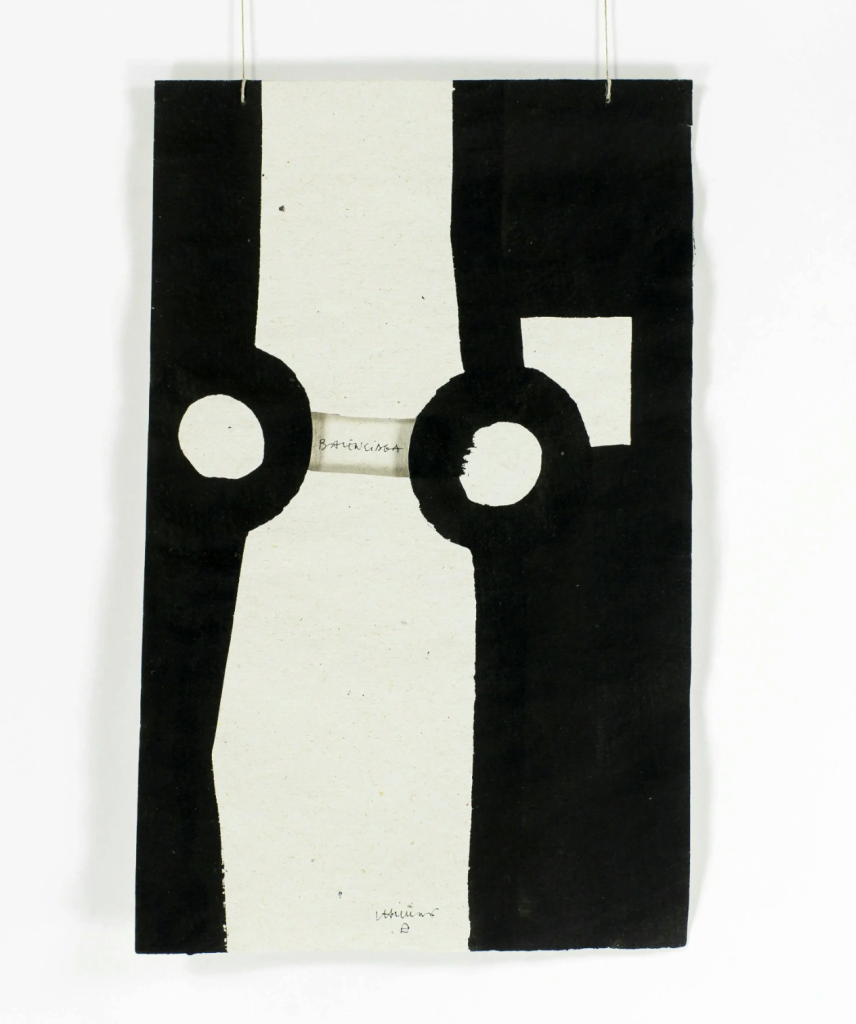
Balenciaga’s installation brings together fashion and sculpture through the work of Eduardo Chillida.
Set within the brand’s Milan flagship, the exhibition creates a space where form and emotion intersect. The pieces feel architectural, almost monumental, yet deeply human—echoing both Chillida’s legacy and Balenciaga’s evolving identity.
It’s less about product, more about presence.
Dior Maison x Noé Duchaufour-Lawrance: Light as Craft
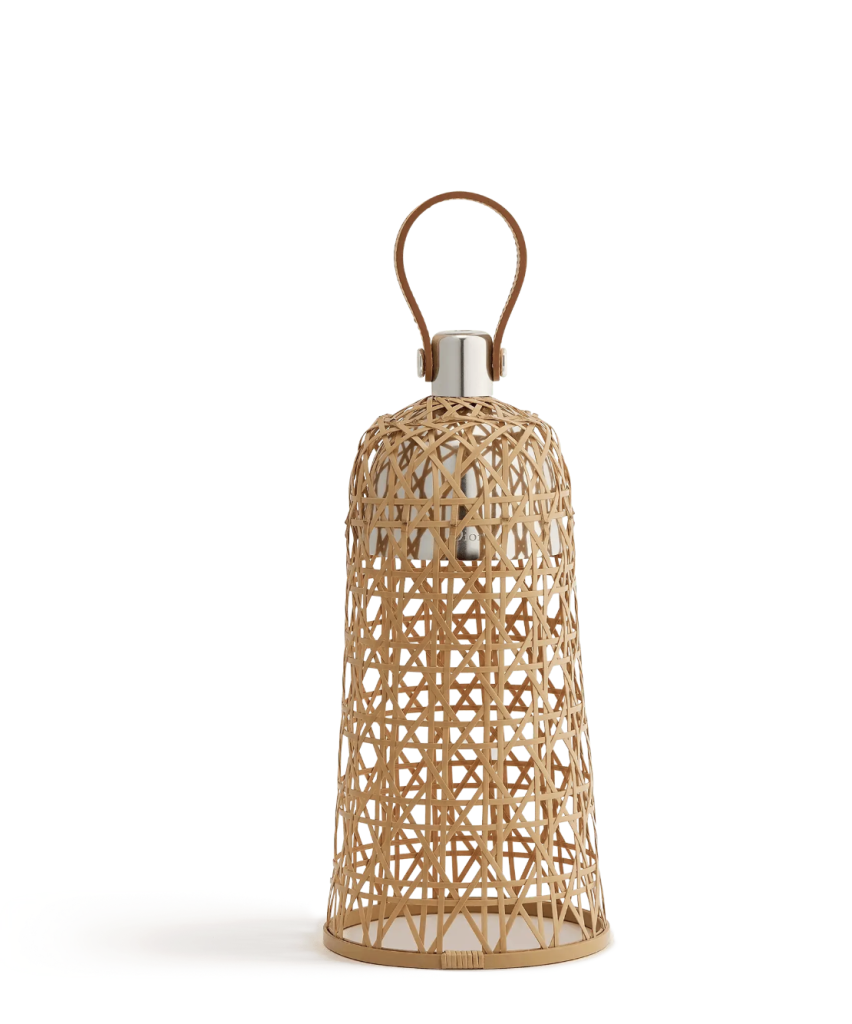
Dior Maison’s collaboration with Noé Duchaufour-Lawrance explores light as both structure and emotion.
The Corolle lamps, inspired by Dior’s iconic silhouettes, are crafted using Murano glass and natural fibers. There’s a softness to the pieces—a balance between precision and fluidity—that reflects the house’s heritage while pushing it forward.
It’s a conversation between fashion and design, expressed through light.
Louis Vuitton: A Journey Through Time
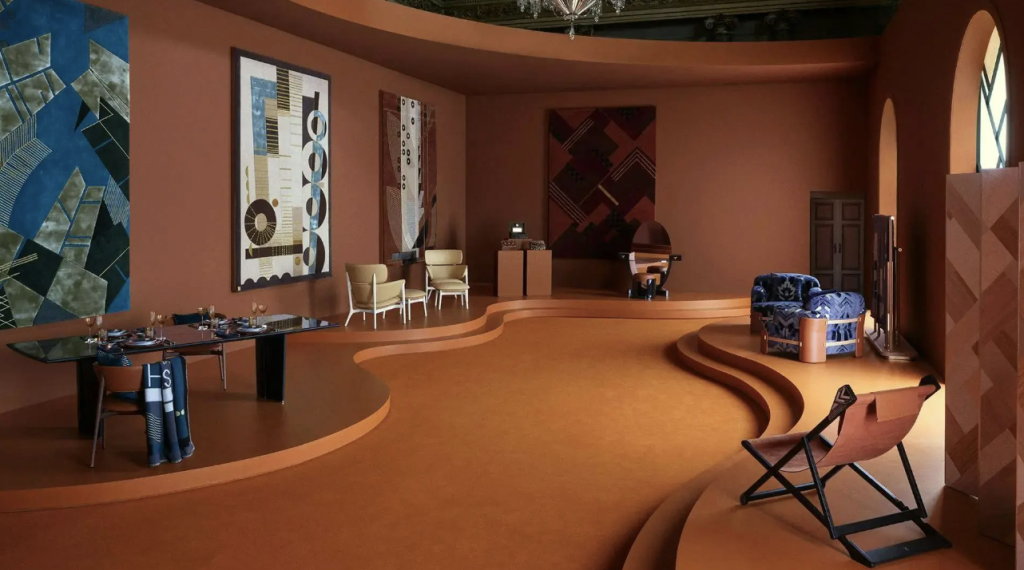
At Palazzo Serbelloni, Louis Vuitton presents its latest Objets Nomades collection in a setting that feels almost cinematic.
The exhibition moves through a series of immersive rooms, tracing a journey from the Art Deco era to the present. Color, texture, and form shift from space to space, creating a narrative that feels both historical and forward-looking.
It’s not just about objects—it’s about storytelling.
Armani/Casa: Design Meets Leisure
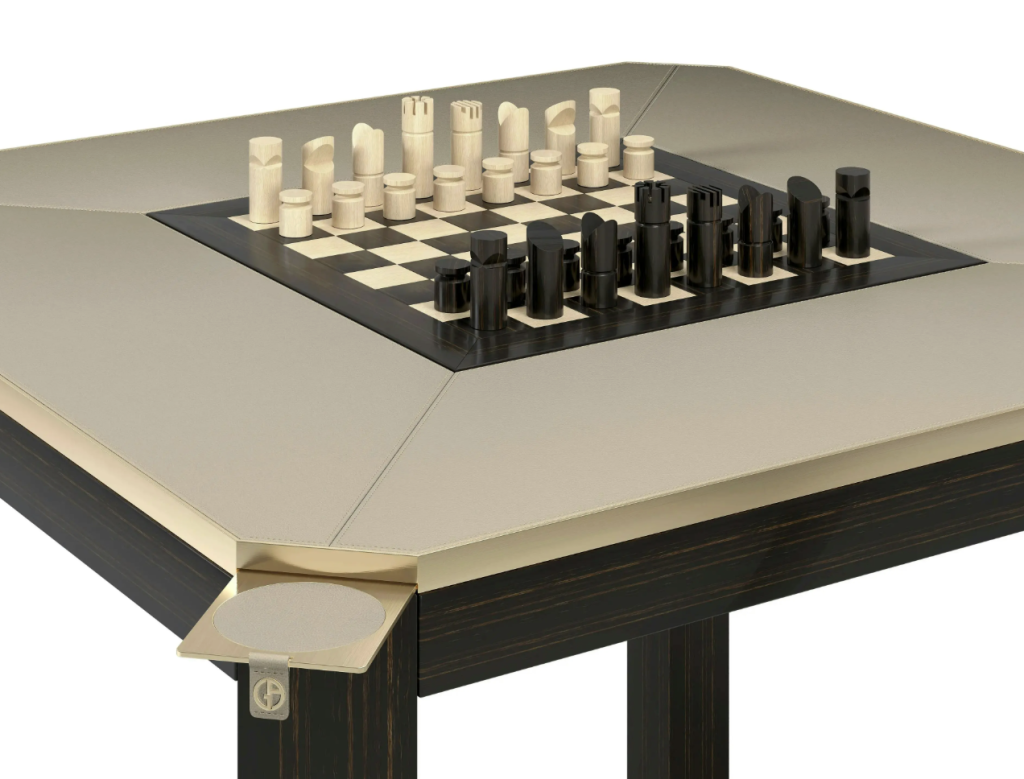
Armani/Casa takes a more understated approach, focusing on the elegance of everyday objects.
This year’s highlight—a meticulously crafted game table—blends materials like ebony wood, leather, and brass into a piece that feels both functional and sculptural. It’s a reminder that luxury often lies in the details.
Gucci Memoria: A Living Archive
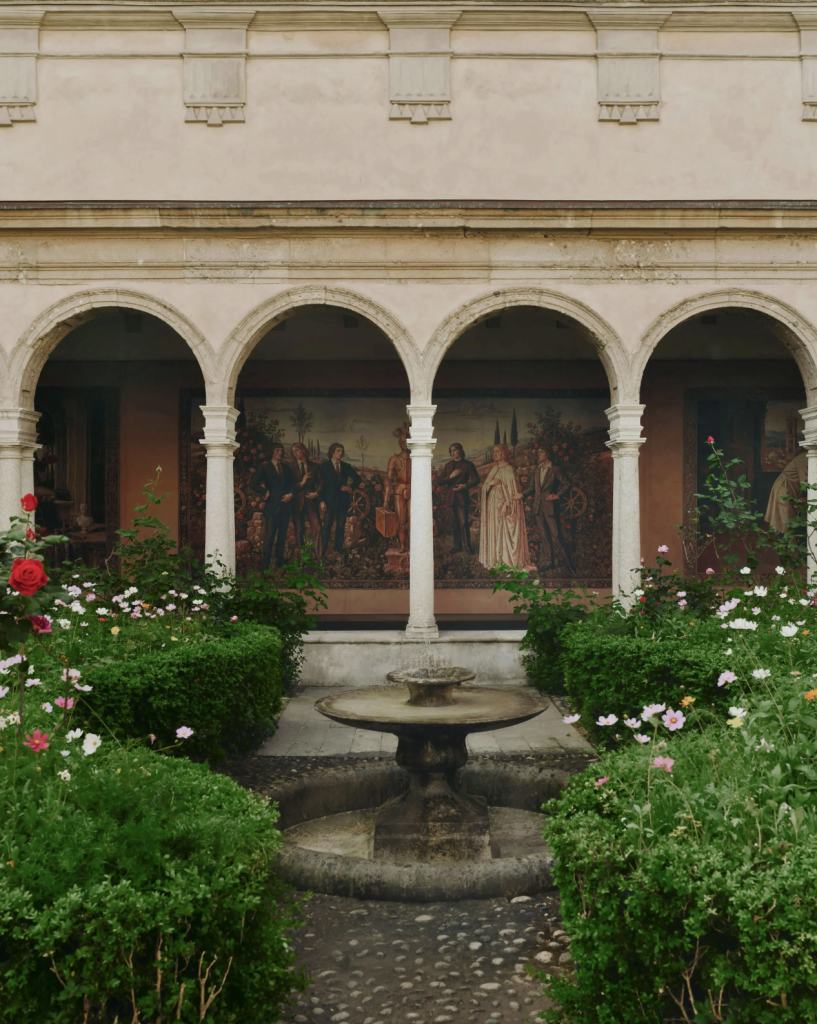
Gucci’s “Memoria” exhibition offers a deeper look into the house’s history and evolution.
Through tapestries, installations, and immersive environments, the exhibition traces key moments in the brand’s journey—from its origins in Florence to its global presence today. Each space feels like a chapter, building a narrative that connects past and present.
It’s archival, but not static—alive, layered, and continuously evolving.
Final Thoughts
Milan Design Week 2026 reinforces something that feels increasingly relevant: design is no longer confined to one category. It moves between disciplines, between past and future, between function and emotion.
And that’s what makes this week so powerful. It’s not just about what we see—it’s about how we experience it.