The Art Stories Defining Fall 2026
Here are the galleries and new exhibitions I’m especially excited about this fall.
In New York, galleries are opening ambitious new shows, museum calendars are filling up, and one of The Met’s most anticipated exhibitions is about to debut. Across the Atlantic, Frieze London and Frieze Masters are preparing to bring together contemporary artists, historic works, collectors, galleries, and institutions in Regent’s Park.
What feels especially compelling this season is the conversation between past and present. Contemporary artists are examining how we communicate, connect, and live today, while museums are reconsidering artists we may think we already understand. At the same time, works created centuries ago are being viewed through entirely new perspectives.
From New York to London, these are some of the exhibitions, artists, and ideas worth following this fall.
If You’re in New York This Week: KAWS at Cooper Union
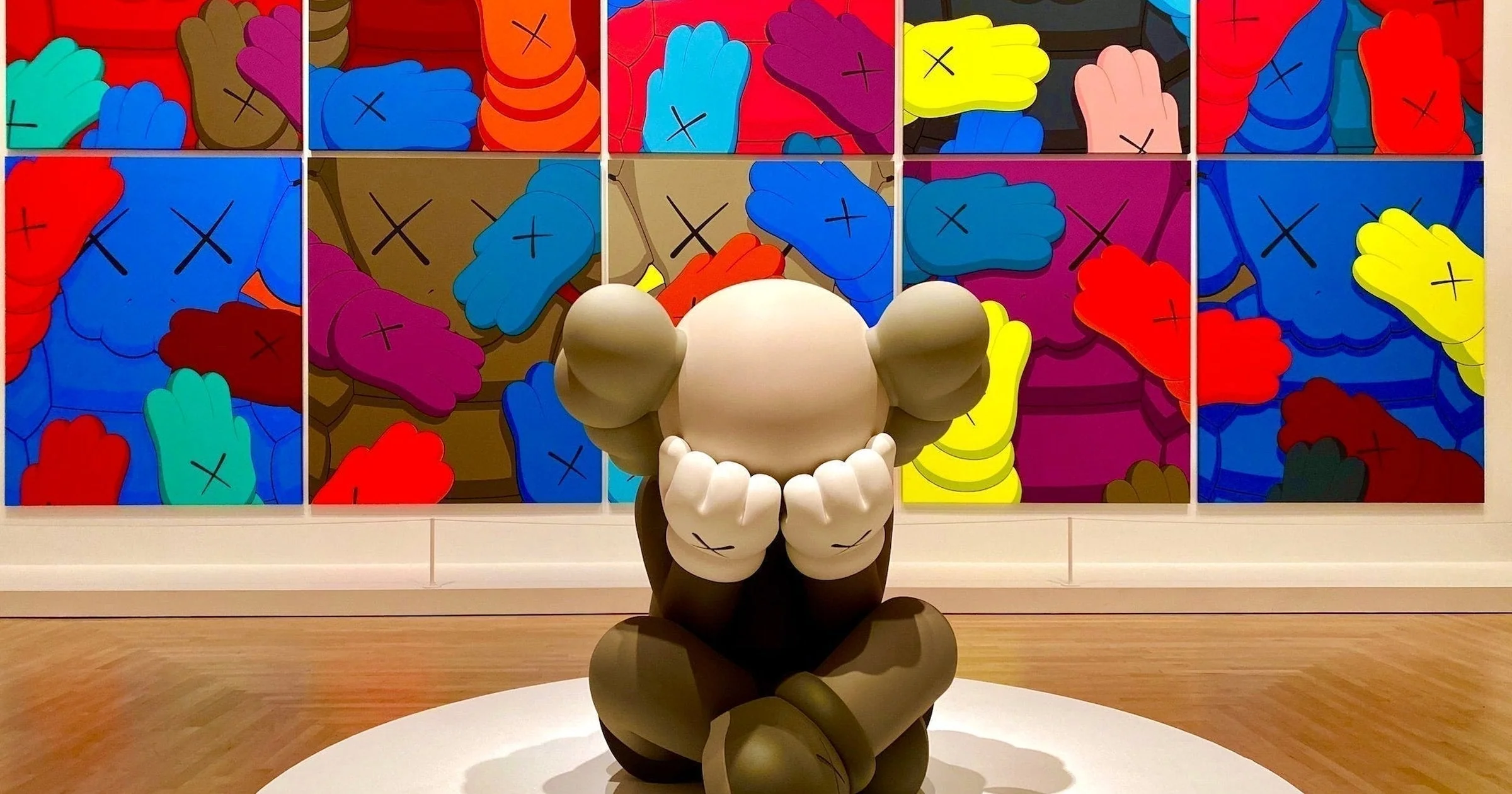
One event I would put on the calendar immediately is KAWS: On Art, Culture, and Building an Icon at The Great Hall at Cooper Union.
Few contemporary artists have crossed the boundaries between fine art, street culture, design, fashion, and popular culture quite like KAWS.
The New York artist will look back at the creative evolution that took him from early interventions on bus shelters and advertisements to paintings, collectible figures, monumental sculptures, museum exhibitions, and collaborations with names including Dior, Nike, Comme des Garçons, and Uniqlo.
What makes the conversation particularly interesting is the opportunity to hear the story directly from the artist. KAWS will discuss the ideas, references, decisions, and turning points that helped shape a visual language now recognized around the world.
For anyone interested in where contemporary art meets culture, design, and commerce, this should be a fascinating evening.
KAWS: On Art, Culture, and Building an Icon
Thursday, October 1, 2026
7 PM
The Great Hall at Cooper Union
7 East 7th Street
New York, NY 10003
Three New York Exhibitions to See Now
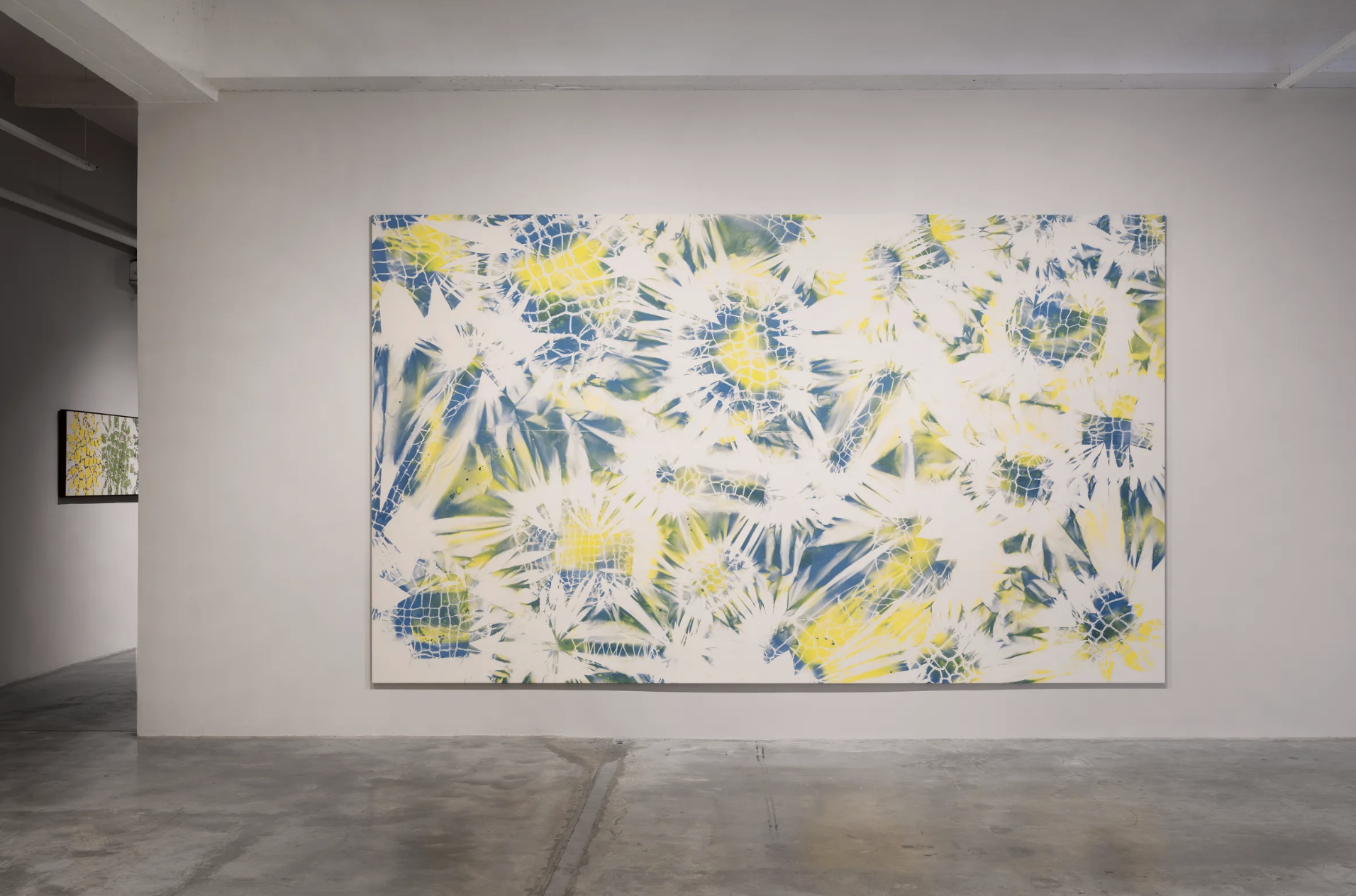
There is also plenty worth seeing across New York’s galleries this fall.
At Ellie Rines Gallery, Christopher K. Ho’s Waterloo! brings together historical references, domestic imagery, and dramatic installations to consider politics, class, and contemporary social life.
Rather than approaching history from a distance, Ho brings it into the spaces and objects that surround everyday life.
Christopher K. Ho: Waterloo!
Through October 23, 2026
Ellie Rines Gallery
46 Walker Street
New York, NY 10013
At Ulrik, Tam Ochiai’s TAPETUM LUCIDUM brings together work spanning three decades.
Ochiai has long found meaning in seemingly ordinary images and objects, from clothing and shopping bags to fragments of popular culture. Seen together, the paintings and drawings begin to feel almost like an archive of memory, built from the small things we collect and carry with us.
Tam Ochiai: TAPETUM LUCIDUM
Through October 31, 2026
Ulrik
175 Canal Street
New York, NY 10013
In Chelsea, Maia Ruth Lee’s Double Vision explores migration, memory, and what it means to exist between more than one place at once.
Working across painting, sculpture, video, and architectural fragments, Lee considers how identity is continuously assembled through the places we leave behind and the places we inhabit now.
It is an idea that feels particularly resonant in New York, a city constantly shaped by movement, arrival, departure, and reinvention.
Maia Ruth Lee: Double Vision
Through October 24, 2026
Tina Kim Gallery
525 West 21st Street
New York, NY 10011
Tuesday through Saturday, 10 AM to 6 PM
Together, these exhibitions are a reminder that some of the most interesting moments of the fall season can still be found simply by walking into a gallery.
Next at The Met: Krasner and Pollock Reconsidered Together
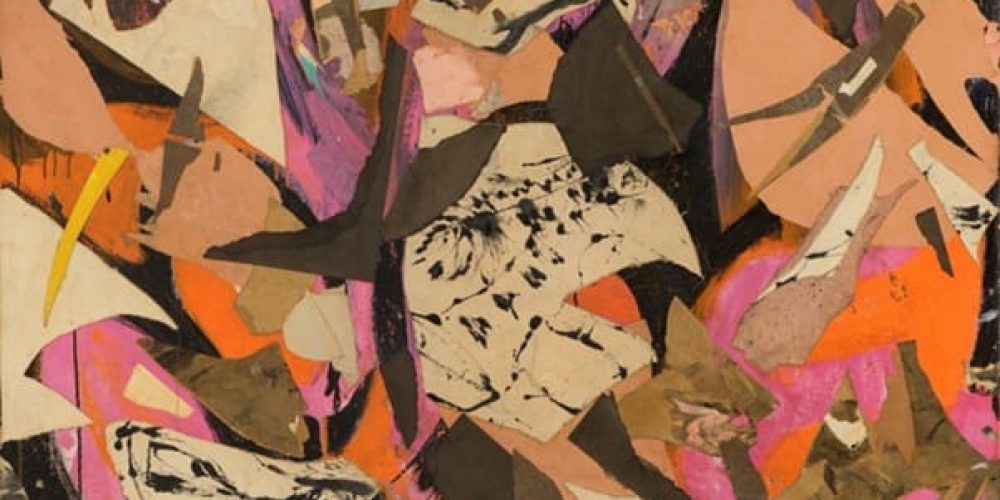
One of New York’s most important museum openings this fall arrives at The Metropolitan Museum of Art on October 4.
Krasner and Pollock: Past Continuous brings together more than 120 works by Lee Krasner and Jackson Pollock, examining their careers individually and in relation to one another.
It is the first major New York presentation devoted to either artist in more than 20 years and the first exhibition to trace the full arc of both careers together.
The exhibition offers an opportunity to move beyond one of the most familiar stories in American modern art.
Pollock’s breakthrough drip paintings remain central to his legacy, but Krasner’s career was defined by its own constant evolution. Her experiments with abstraction, collage, nature, and color reveal an artist continually reconsidering what painting could become.
Seen together, their work creates a richer conversation about influence, experimentation, artistic partnership, and the emergence of Abstract Expressionism.
For anyone interested in modern art, this is one of the museum openings to put on the calendar now.
Krasner and Pollock: Past Continuous
October 4, 2026 through January 31, 2027
The Met Fifth Avenue, Gallery 899
1000 Fifth Avenue
New York, NY 10028
Included with museum admission
Member Preview Days: October 1 through 3
Then the Art World Heads to London
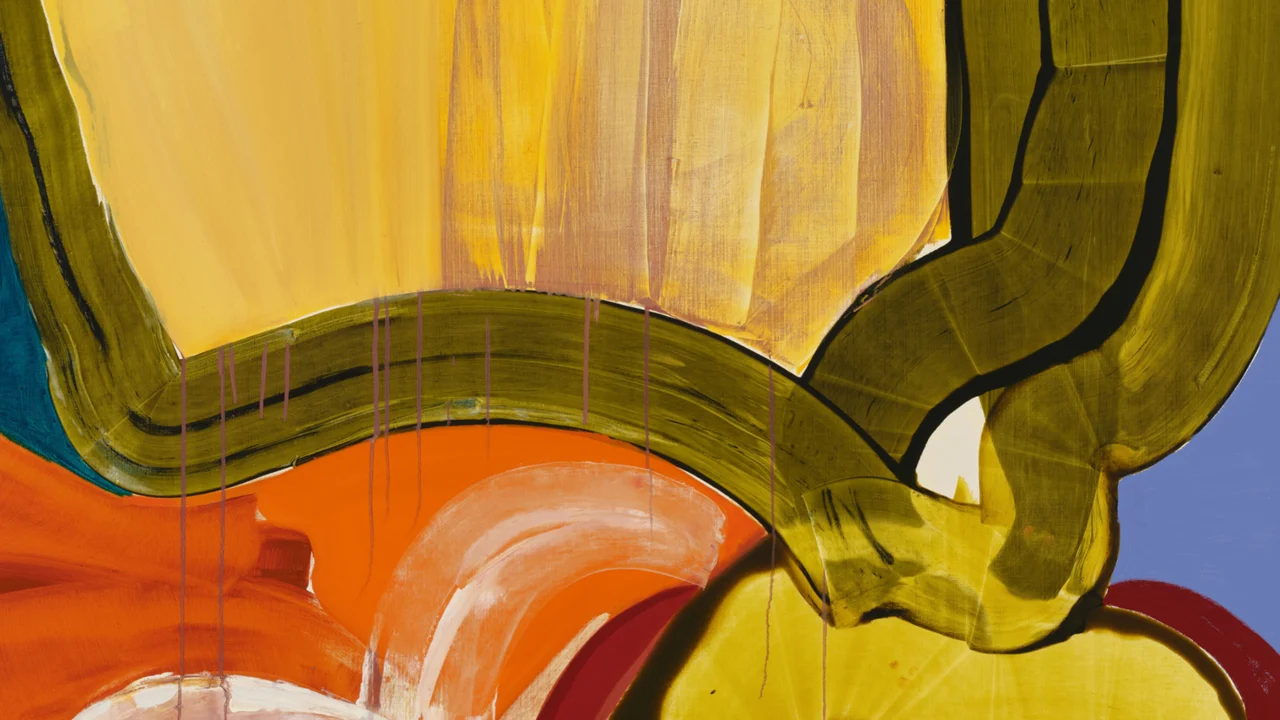
By mid-October, attention shifts to Regent’s Park for Frieze London and Frieze Masters.
The two fairs sit within walking distance of one another but offer distinctly different perspectives on the art world.
Frieze London looks firmly at the present, bringing together contemporary artists, established galleries, and a new generation of emerging voices.
Frieze Masters looks backward in order to create new conversations in the present, bringing together works from antiquity, Old Masters, modern art, and significant 20th-century artists.
Experiencing the two fairs together is part of what makes Frieze Week so compelling.
One asks what artists are making now.
The other asks us to reconsider what came before.
Increasingly, those two questions seem inseparable.
Frieze London & Frieze Masters
October 14 through 18, 2026
The Regent’s Park
London
Public admission begins October 15
What Do Butterflies and the Internet Have in Common?
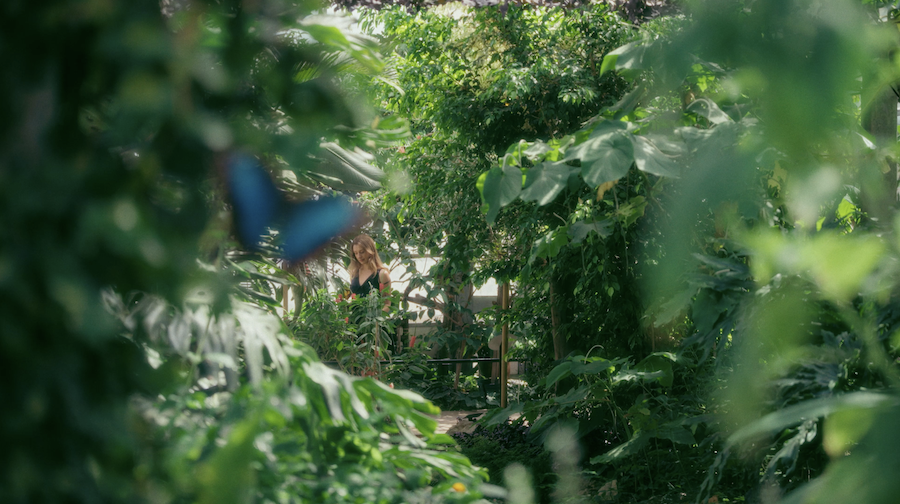
Among the artists worth watching at Frieze London is Ella Fleck, presented by Ehrlich Steinberg in the fair’s Focus section.
Her work begins with an unusual question: what might butterflies and the internet have in common?
Ahead of Frieze, Fleck visited the London Butterfly Gardens while thinking about the similarities she sees between ecosystems, urban environments, identity, and the relationships we form online.
Her installation “Training Material” takes that interest in digital life into more unexpected territory.
Using directional sound and vibration, the work includes men reading scripts drawn from OnlyFans chats, transforming interactions usually experienced privately through a screen into something physical and spatial.
The idea feels particularly relevant now.
So much of our lives exists somewhere between physical and digital worlds. Fleck’s work asks what happens when those invisible exchanges suddenly occupy the same space we do.
Ella Fleck at Frieze London Focus
Presented by Ehrlich Steinberg
October 14 through 18, 2026
Frieze London, The Regent’s Park
London NW1 4LL
When Collecting Becomes a Public Legacy
Frieze also creates an opportunity to think about collecting beyond private ownership.
This year marks the tenth anniversary of the Contemporary Art Society’s Collections Fund, an initiative that helps regional museums in the United Kingdom acquire important contemporary works at Frieze London.
Since 2016, the fund has helped bring works by artists including John Akomfrah, Zanele Muholi, and Shaqúelle Whyte into public museum collections.
This year’s acquisition will benefit The Whitworth in Manchester.
It raises an interesting question about what collecting can ultimately mean.
Art can begin in a gallery, move into a private collection, enter an institution, and eventually become part of how another generation understands a particular artist or cultural moment.
The most meaningful collections can extend far beyond the spaces in which they first live.
The Bayeux Tapestry Returns to England

Perhaps the most extraordinary example of art crossing generations this season comes from a work created nearly a millennium ago.
The Bayeux Tapestry is now on display at the British Museum, marking the first time the work has been shown in England since it was made.
Nearly 70 meters long, the embroidered narrative depicts the events surrounding the Norman Conquest of England and the Battle of Hastings in 1066.
For generations, it has been studied primarily as a historical record of kings, warfare, and political power.
But historian Janina Ramirez encourages another way of looking.
Rather than focusing only on the men represented within the story, she asks us to consider the people whose hands actually created it.
Look closely and the work becomes extraordinarily intimate.
Individual stitches form horses, ships, clothing, faces, hair, landscapes, and scenes of battle. Differences in technique and texture reveal the painstaking human labor behind an object that has survived for almost a thousand years.
Viewed from that perspective, the Bayeux Tapestry becomes something more than a document of conquest.
It becomes a remarkable work of art, storytelling, and craftsmanship.
And perhaps that is what makes seeing historic art today so interesting. Even something we think we know can change when we are encouraged to look again.
The Bayeux Tapestry
Through July 11, 2027
The British Museum
Great Russell Street
London WC1B 3DG
Daily, 10 AM to 5 PM
A Fall Season About Looking Again
There is a thread connecting so much of what is happening this fall.
It is the idea of looking again.
KAWS can reflect on how an artistic language moves from New York streets into museums and global culture.
Lee Krasner and Jackson Pollock can be reconsidered not simply through their marriage or a familiar art historical narrative, but through two complete artistic careers.
Ella Fleck can take the private exchanges of digital life and transform them into a physical experience.
A contemporary artwork can move beyond private ownership and become part of a public museum collection.
And an embroidered work almost a thousand years old can reveal an entirely different story when attention shifts from the people depicted to the people who made it.
That is what keeps art interesting.
There is always another perspective, another connection, and another way to see something we thought we already understood.
Whether walking through a gallery in New York, spending an afternoon at The Met, or planning what to see during Frieze Week in London, these are the exhibitions and conversations I’m especially excited to follow this fall.