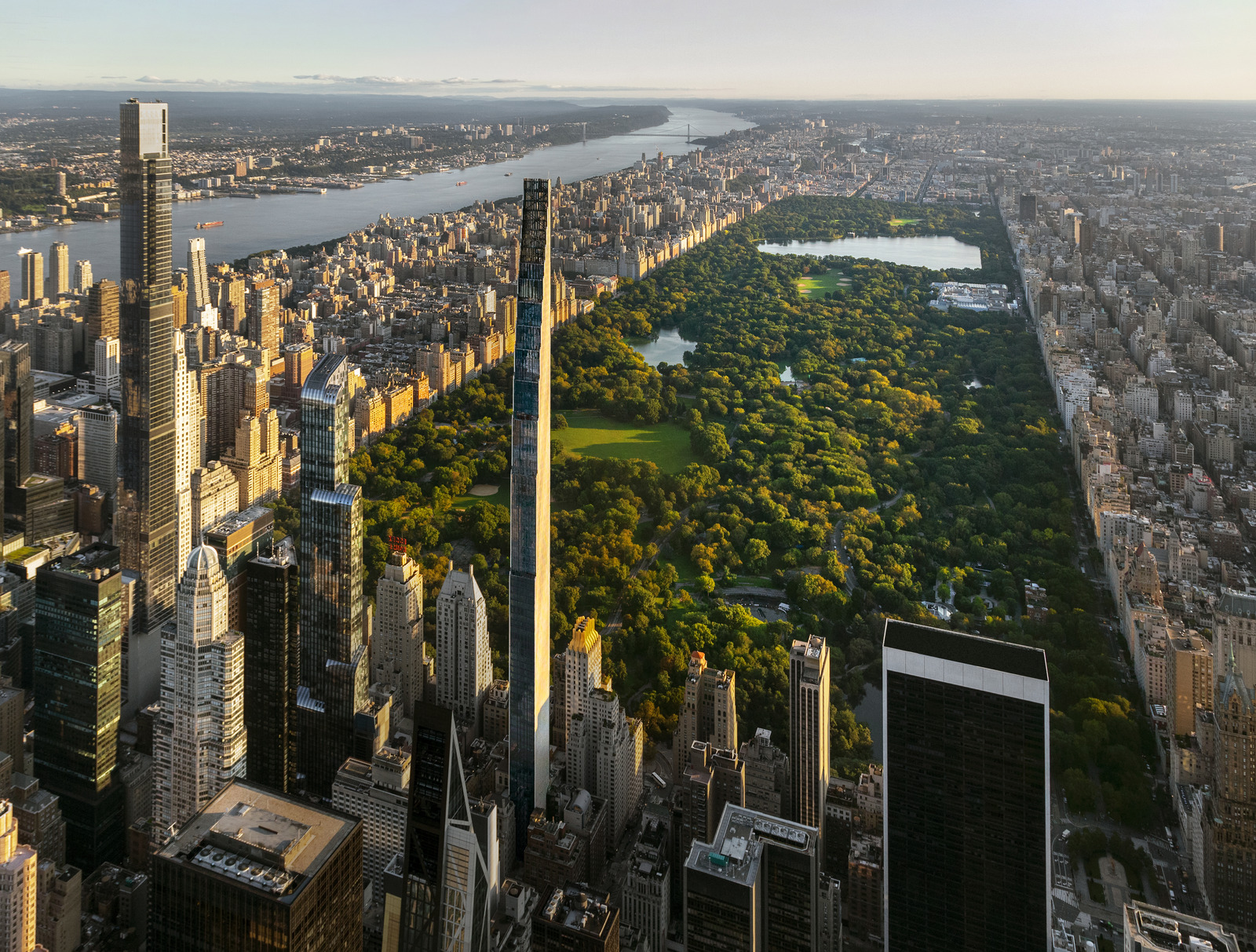
111 West 57th Street
Every few years, someone declares New York over. And every few years, Manhattan quietly proves them wrong.
As we move deeper into 2026, both the data and what I’m seeing in real time tell the same story: global wealth is not retreating from Manhattan — it’s consolidating here.
Recent market analysis reported by The Real Deal reinforces what many of us already know. Sales volume remains strong, median prices are rising year over year, and the luxury segment continues to outperform broader expectations.
Strength at the Top
In Q3 2025 alone, more than 3,200 sales closed across Manhattan, totaling approximately $6.6 billion. Price per square foot climbed. Luxury sales increased by double digits.
At the ultra-luxury tier, record-setting transactions are redefining what downtown and uptown inventory can command. Limited supply, increased global liquidity, and buyers prioritizing long-term asset stability are keeping competition elevated — even in a cautious macroeconomic climate.
When volatility rises globally, capital seeks certainty. Manhattan remains one of the most trusted hard assets in the world.
Turnkey Is the New Luxury
If there’s one defining theme in today’s Manhattan market, it’s turnkey.
Renovation costs are higher. Timelines are longer. And buyers at the top of the market increasingly value immediacy. Move-in-ready residences — whether in boutique new developments or meticulously restored townhouses — are commanding premiums.
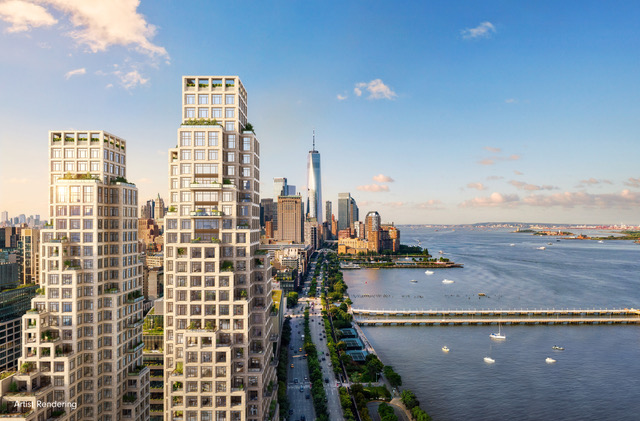
80 Clarkson Street
Projects like 80 Clarkson Street in the West Village have demonstrated how appetite for pristine product can drive historic contracts, including a reported $129 million deal that reset expectations below 14th Street.
The message is clear: quality wins.
Neighborhoods Holding Power
The Upper East Side continues to post strong numbers, offering that rare blend of residential calm, proximity to Central Park, and cultural gravitas.
Downtown, the West Village remains chronically supply-constrained — and therefore fiercely competitive. Boutique developments and landmark townhouses trade quickly because inventory simply cannot keep pace with demand.
Tribeca and select Financial District conversions also remain compelling for buyers seeking scale, privacy, and architectural integrity.
Renting as a Strategic Pause
Another interesting dynamic: high-net-worth buyers in the $15M–$20M range are choosing to rent temporarily while searching for the right property.
This is not retreat — it’s precision.
With Manhattan’s rental market tightening, especially for newly renovated or design-forward residences, renting has become a strategic holding pattern while buyers wait for something exceptional. Compromise is rarely part of the equation at this level.
Manhattan’s Enduring Advantage
Political shifts come and go. Headlines cycle. But Manhattan operates on a different timeline.
Its economic diversity, cultural relevance, educational institutions, and global positioning continue to insulate it from short-term volatility. It is not simply a place to live — it is a global financial and cultural anchor.
The world’s wealthiest aren’t betting on Manhattan out of nostalgia.
They’re betting on:
- Scarcity
- Stability
- Architectural pedigree
- Global connectivity
- Long-term value
People have always loved to question New York’s resilience.
Yet the capital keeps flowing here — because in uncertain times, the strongest markets don’t fade.
They consolidate.
